Understanding JavaScript, The Language of Interactivity

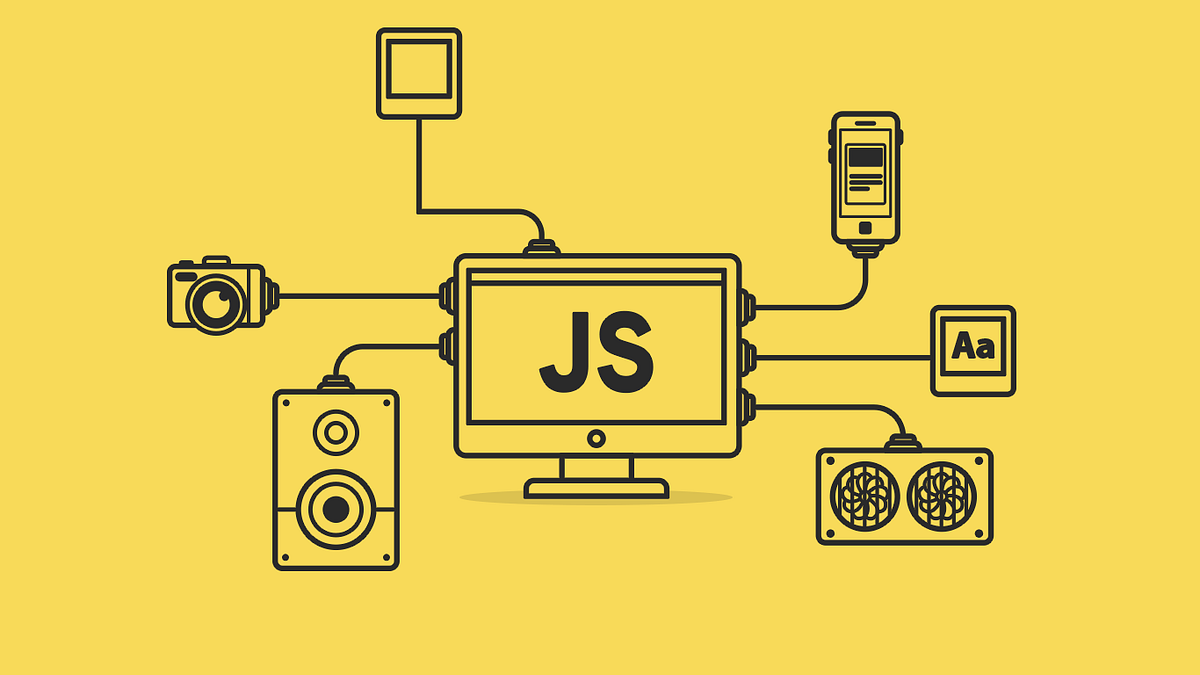
JavaScript makes web pages dynamic. Without JavaScript, web pages are static documents—content displays, links navigate, but nothing happens until user clicks. With JavaScript, pages respond to user actions, fetch data from servers, update content without reloading, and provide rich interactive experiences. It is the programming language of the web.
Understanding JavaScript, The Language of Interactivity
Despite name, JavaScript has little relation to Java. Created in 10 days by Brendan Eich at Netscape in 1995, it was designed to be accessible to non-programmers while enabling simple interactivity. It has since evolved into powerful, versatile language running everywhere from browsers to servers to robots.
JavaScript runs in browser, embedded in HTML via <script> tags or external files. Browser provides environment with access to Document Object Model (DOM)—programmatic representation of page structure. JavaScript manipulates DOM to change content, styles, and behavior dynamically. This capability enables everything from form validation to single-page applications.
Basic syntax resembles other C-style languages. Variables declared with let, const, or legacy var. Data types include numbers, strings, booleans, objects, arrays, and more. Functions defined with function keyword or arrow syntax (=>). Control flow with if/else, for loops, while loops. These fundamentals support complex programs.
Functions are first-class citizens. They can be assigned to variables, passed as arguments, returned from other functions. This enables powerful patterns like callbacks, where functions execute after asynchronous operations complete. Higher-order functions like map, filter, reduce transform arrays elegantly.
Objects organize related data and behavior. JavaScript objects are collections of key-value pairs, created with {} syntax. Properties accessed with dot or bracket notation. Methods are functions attached to objects. Object-oriented programming in JavaScript uses prototypes rather than classical inheritance, though ES6 classes provide syntactic sugar.
Events drive interactivity. Users click, type, scroll, submit forms—each action fires event. JavaScript listens with addEventListener, then executes code in response. Event delegation handles events efficiently by attaching single listener to parent element. Understanding event flow (capturing, targeting, bubbling) enables sophisticated interaction.
Asynchronous programming handles operations taking time: fetching data, reading files, waiting for user input. Callbacks were original approach but led to “callback hell.” Promises provide cleaner chainable syntax: fetch(url).then(response => response.json()).then(data => console.log(data)). Async/await, modern syntax, makes asynchronous code read like synchronous: let data = await fetch(url).
DOM manipulation accesses and modifies page elements. document.querySelector finds elements by CSS selectors. Element properties like textContent, innerHTML change content. classList adds/removes CSS classes. style property sets inline styles. DOM manipulation is JavaScript’s primary purpose in browsers.
Browser APIs extend JavaScript capabilities beyond language core. fetch makes HTTP requests. localStorage and sessionStorage store data locally. geolocation accesses device location. canvas enables drawing. Web Audio API creates sound. These APIs, standardized by W3C, give JavaScript superpowers.
The ecosystem is vast. npm (Node package manager) hosts over million packages. Frameworks like React, Vue, Angular structure applications. Build tools like webpack, Vite bundle code for production. Linters like ESLint enforce code quality. Formatters like Prettier ensure consistent style. Modern JavaScript development involves toolchain.
Node.js runs JavaScript outside browser, on servers. Same language powers frontend and backend, enabling full-stack JavaScript development. Express framework builds web servers. Databases accessed via drivers. Server-side rendering, API development, command-line tools all possible with Node.
ES6 (ECMAScript 2015) modernized JavaScript. Features like let/const, arrow functions, classes, modules, template literals, destructuring, spread operator made code cleaner and more powerful. Annual updates since add incremental improvements. Modern JavaScript differs significantly from 1995 version.
Debugging uses browser DevTools. Console logs provide quick feedback. Breakpoints pause execution to inspect variables. Network tab monitors requests. Sources panel shows code. Performance tab identifies bottlenecks. Mastering DevTools transforms debugging from frustration to systematic problem-solving.
Security matters. Cross-site scripting (XSS) occurs when malicious scripts injected into trusted sites. Content Security Policy mitigates. Cross-site request forgery (CSRF) tricks authenticated users into unintended actions. Same-origin policy restricts access between origins. Understanding these prevents vulnerabilities.
JavaScript’s ubiquity makes it essential skill. Web developers use it daily. Its flexibility enables diverse programming styles—functional, object-oriented, event-driven. Learning JavaScript means learning web’s native language, the tongue spoken by browsers everywhere.